Clayfield Therapy
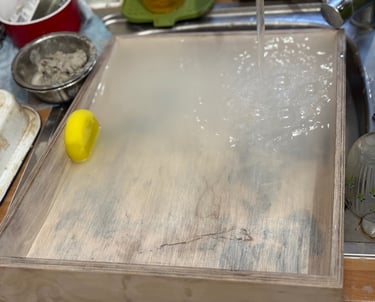
I offer Clay Field Therapy, a sensorimotor, body‑focused form of therapeutic clay work that engages the haptic (touch) sense, nervous system and motor‑sensory feedback loops as a pathway into healing and growth. I am fully trained in Clay Field Therapy through Cornelia Elbrecht’s specialist training in sensorimotor art therapy, bringing professional expertise grounded in over forty years of clinical development. In Clay Field Therapy, clients of all ages — from children and adolescents through adults — work directly with the texture, resistance and movement of clay in a flat field, allowing early sensorimotor patterns and nervous system regulation to unfold in a safe, non-verbal way. Because trauma is held in the body, not just in thoughts or stories, this bottom‑up, trauma‑informed approach helps regulate the autonomic nervous system, support emotional and sensory regulation, and create new neurological pathways that can bypass entrenched traumatic responses — offering meaningful change through embodied experience.
Clay Field Therapy provides a contained and safe environment to explore experiences that may be difficult to verbalise. By following motor impulses and observing how the body interacts with clay, clients can gently encounter and process unresolved trauma, release tension held in muscles and joints, and develop new patterns of safety, resilience and self‑agency. This approach acknowledges that traumatic experiences can disrupt attachment, affect neurodevelopment, and create defensive physiological patterns; working with clay allows these patterns to be accessed and reorganised in a regulated, supportive way. For people who are neurodivergent or find verbal therapies overwhelming, the focus on movement, sensory feedback and embodied processing can be particularly grounding, helping with sensory integration, attentional regulation and embodied self-understanding. Participants are supported to explore motor impulses, receive immediate sensory feedback and begin to recognise their own capacity for safety, choice and active engagement with their internal experience. This tactile, embodied work can help repair developmental disruptions, strengthen regulation skills and support deeper healing from attachment wounds, stress, anxiety, chronic dysregulation and trauma across the lifespan — all delivered through evidence-based practice that integrates sensorimotor and neurodevelopmental research.t


Trauma
In Clay Field Therapy, trauma is approached through the body rather than through direct verbal recounting of painful events. The tactile, sensory nature of clay allows clients to access and process experiences stored in the nervous system, including those that predate conscious memory or language. Working with movement, pressure, and touch, individuals can gradually release tension, integrate fragmented bodily experiences, and develop a sense of safety, agency, and resilience. This method supports the nervous system to recalibrate, reducing hyperarousal or shutdown responses commonly associated with trauma. By providing a regulated, contained environment, Clay Field Therapy helps clients explore challenging experiences at their own pace, fostering embodied understanding and healing while respecting personal boundaries. It is particularly effective for those with complex or developmental trauma, attachment disruptions, or dysregulated stress responses, offering a structured, evidence-based approach to long-term recovery.